
The adjective applys to the E39, the BMW 5 Series now two generations old, sold here from 1996 to 2003. Like the smaller, less costly 3 Series that made the brand the envy of every other premium automaker, the E39 offered the right balance of suspension compliance, sharp handling, and crisp steering. For its feel, feedback, and precision, the E39's steering became a benchmark for BMW's competitors. The 2004 E60 5 Series was a disappointment for its new, active steering and BMW's least successful application of Chris Bangle's flame-surfacing design language. The car just seemed bigger, heavier, and more complex. Opt for two pedals and you get eight forward speeds, with tall seventh and eighth gears for improved highway speed fuel efficiency (sixth is "direct drive"). With four planetary gearsets and five clutch packs, the new transmission is designed so that no more than two of its clutch packs freewheel at a given time. Servotronic, or active steering, is back on the F10 5 Series, though now it's an electronic power steering assist, a first for a car in this segment, according to BMW.
Read more: http://www.motortrend.com/roadtests/sedans/1010_2011_bmw_550i/index.html#ixzz148w61TZC
Tuesday, November 2, 2010
2011 BMW 550i


Sunday, October 31, 2010
Proton Inspira

While I myself accept questioned Proton for “going abounding circle” (first Proton was a Lancer, latest Proton is a Lancer) aboriginal in the day, the account abaft why the Inspira is based on a Lancer makes complete sense. Proton has consistently dedicated the call, advancement that it’s a “very cardinal business decision” that’s win-win for both Proton and Mitsubishi.
At a contempo media briefing, Proton’s administration common that it fabricated little banking faculty to anatomy a car in this articulation from scratch, as the baby aggregate won’t advice it compensate the investment. It takes about RM600-700 actor to do so, while a OEM accord (as Proton MD Datuk Syed Zainal prefers to alarm it over “rebadging”) takes up aloof RM250 million. The action additionally aloof took 17 months compared to a abounding two years if Proton would accept formed solo. Not account it for a projected 1,600 units per month, they say.
We concur. Proton is a baby aggregation and its assets can be bigger acclimated for added purposes, like developing amount models such as the Persona backup model, which is in the pipeline. “We are not the alone ones in the apple to do this (OEM collaboration),” said Datuk Syed Zainal, pointing us to PSA Peugeot Citroen application the Mitsubishi Outlander for their SUVs as example. “Having said that, we will not balloon why Proton was set up,” assured the boss, who wants to accomplish it bright that this is not the end of acquaintance products. However, Proton will not be affected by the detractors, and is set to abide this trend of accommodating with added OEMs for its non amount models.
Proton’s MD additionally arise affairs to aftermath and consign the Inspira as a Mitsubishi, appealing abundant like what Perodua does for Daihatsu in Indonesia with the Myvi. But clashing that deal, the Proton congenital Lancer will best apparently use Lancer styling. In adjustment to allowance this arrangement accumulation deal, Proton is gunning to accomplish a affection beginning that will canyon the Mitsubishi audit, and this accomplishment to prove themselves will be acceptable for Inspira owners. There are four MMC affection admiral on the Inspira assembly band at present, and Proton has assassin several retired MMC cadre to abetment them as well.
If you’ve apprehend our beforehand examination drive report, you’d apperceive that the Inspira feels actual altered to drive compared to the Lancer, mainly due to the retuned abeyance settings by Proton. And according to Syammin Noori Arifin, the advance ride and administration architect for the Inspira, Proton will advance for this ambience in the Lancer that it will built, if the accord goes through.
He’s blessed with what the 15-man aggregation achieved, but accepted that they had a acceptable abject to assignment on. Proton calls what it has done to the Lancer “value adding”. Apprehend about the changes here.
How altered does the Inspira feel on the move? Very. The ride abundance over asperous anchorage is bigger (Lancer ride is acceptable for such big wheels), not aloof because of the college contour rubber, but the atom on damping. Pushing it to the max was a aplomb alarming affair; while the abeyance has added biking and is abundant softer than the Lancer’s, anatomy movements in fast cornering is controlled and allows one to “lean” on the car’s banned with about confidence.
The anatomy moves about absolutely a bit, but this is advised as Proton capital a aqueous ride that “breathes” like the best from Europe instead of a close setup. I account that the Lancer will apparently accept the bend in complete grip, but the Inspira bigger relays how abundant it has in reserve. Proton additionally formed to rein in the Lancer’s appendage at the limits, activity for absoluteness amid the advanced and rear ends. Not abiding if things will be the aforementioned if a chump fits bigger auto – Proton hasn’t started testing this set of dampers on 17/18-inch auto yet.
I alone approved the 1.8 chiral (the fastest alternative of the three), and begin NVH levels to be acutely lower than the Lancer. The narrower tyres with a beneath advancing pattern, the added abandoned ride and the absence of the CVT are amid the affidavit for this, I reckon. Although eager, this 4B alternation of engines aren’t the smoothest in town, but a cocky shifter (very ablaze clutch, hardly adhesive into fourth accessory on our tester) improves the experience.
The “Lotus Ride & Handling” tag isn’t the alone brand to not arise for the Inspira (it’s a Proton accomplishment afterwards all), but Proton will alter the accustomed High-Line, Base-Line allotment architecture too. In comes Standard, Executive and Premium alternative codes as replacement.
We apprehend that the Prime Minister himself will bare the Inspira at Proton’s COE ability on the 10th of November, so break tuned. Beforehand this week, Proton appear that 1,100 names are already in their adjustment books.
Friday, July 30, 2010
Nissan X-Trail revealed – RM149,500, CBU, 2.0 CVT, 2WD
Click to enlarge
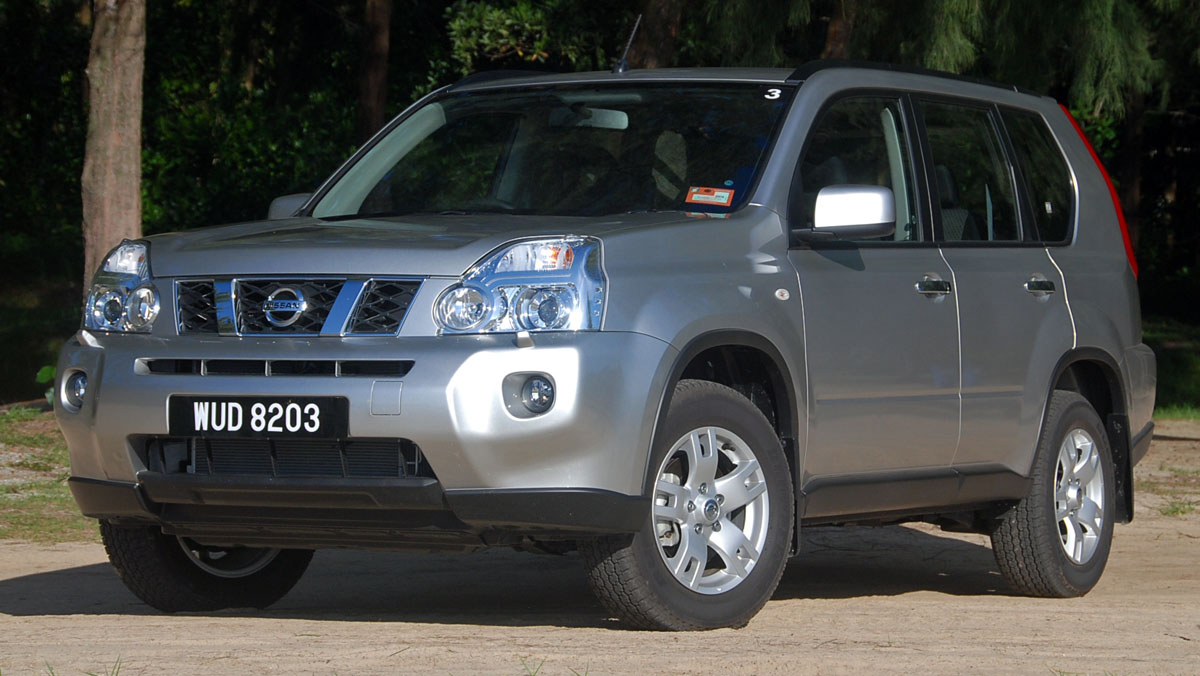
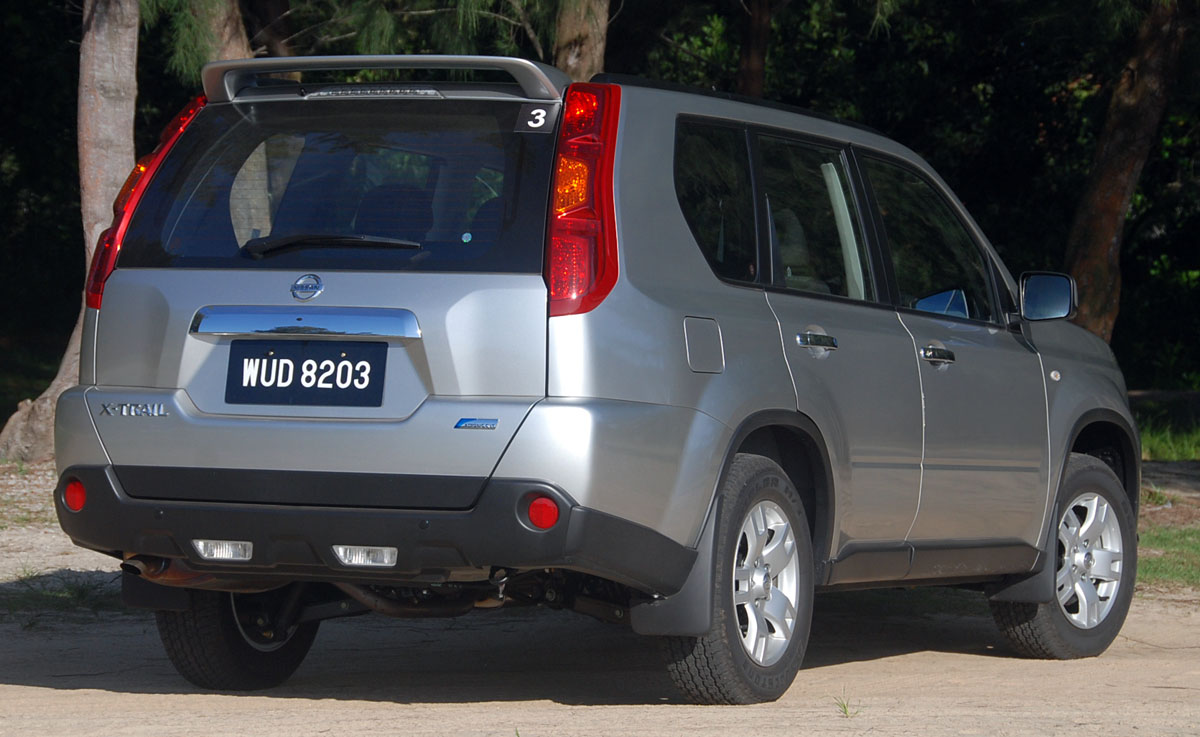
Edaran Tan Chong Motor (ETCM) has unveiled the new Nissan X-Trail to the media today. As previously speculated and captured on this blog, the X-Trail is imported CBU from Indonesia, which is the production hub of the SUV for our region. It is priced at RM149,500 OTR including insurance.
We only get one engine option – the MR20DE 2.0-litre engine that also powers the Sylphy. However, in the X-Trail this all-aluminium CVTC equipped engine makes 137 bhp and 198 Nm of torque, slightly more than the Sylphy’s 131 bhp/191 Nm. Like the C-segment sedan, the engine is mated to Nissan’s Xtronic CVT, but the stepless gearbox gets a manual shift mode here with six virtual ratios to play with. Power goes solely to the front wheels.
Click to enlarge
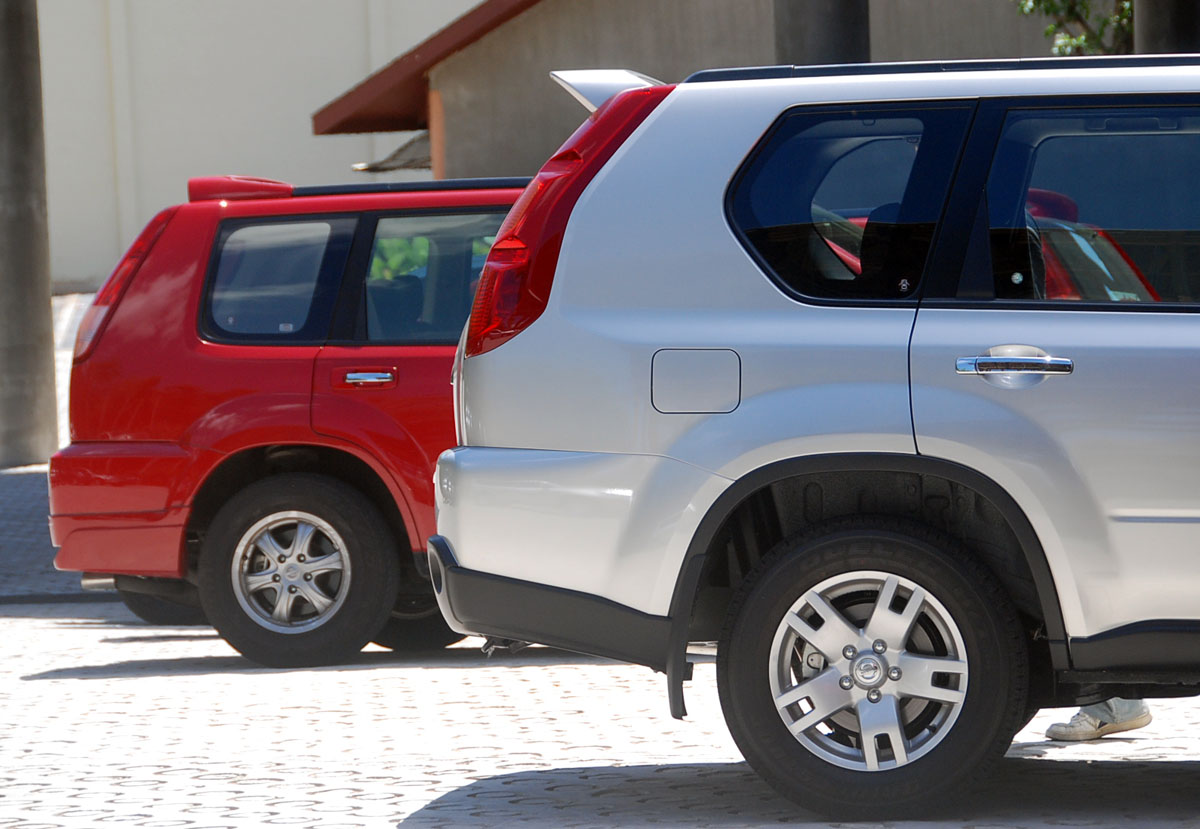
Size wise, the X-Trail is longer than the old model by 175 mm and slightly wider too, although wheelbase is only up by 5mm to make 2,630 mm. I believe that the picture above shows where all that extra length has gone too – the silver X-Trail is the new model, and the section aft of its rear doors is obviously longer.
Click to enlarge
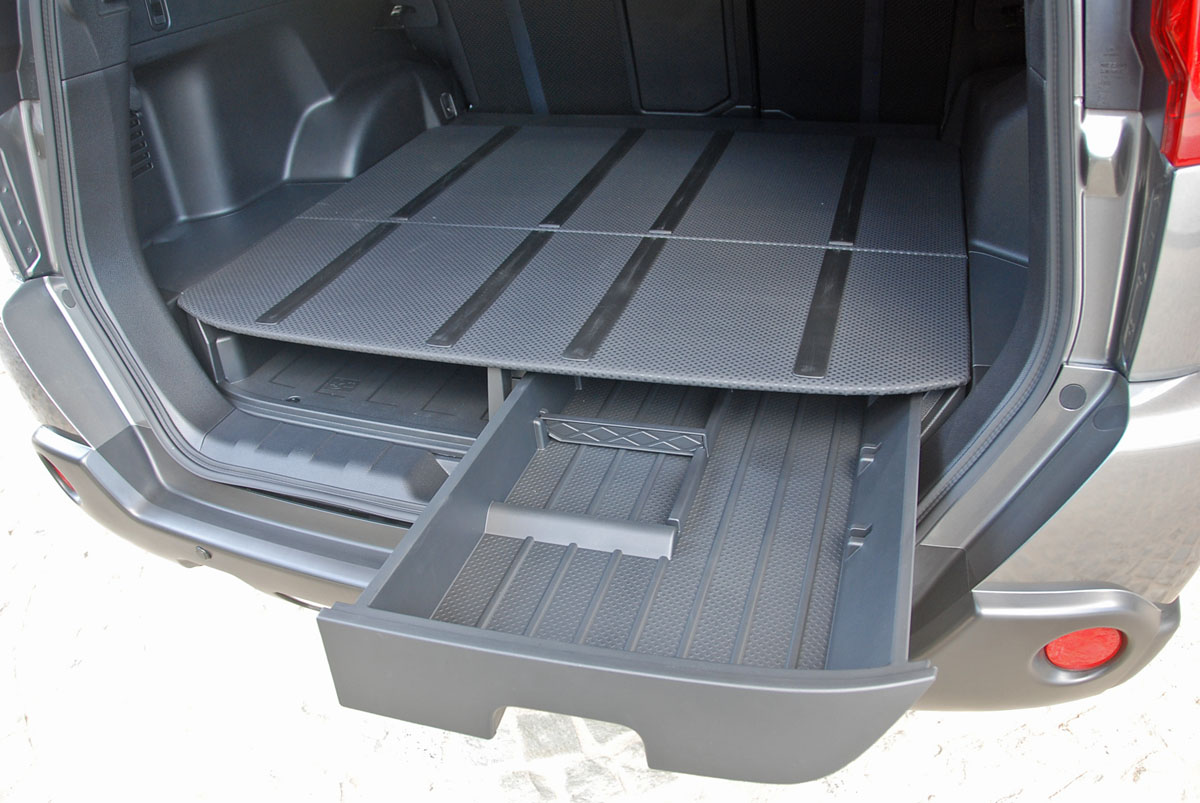
That makes for a huge boot. Despite carrying a full sized spare tyre inside the vehicle, the versatile cargo area has a square space of 603 litres. That’s in the single floor mode; in the double floor mode, the “false floor” covers 2 drawers, the right one with configurable compartments, the left one for long items like umbrellas. Like its predecessor, the luggage board is washable, perfect for the mountain bike! A tonneau cover is standard.
Click to enlarge
The interior ditches the central instruments for a more conventional layout. Fit and finish as well as material quality is good – the main dash moulding and all door caps feature soft touch plastics. Here, you’ll find a 2-DIN stereo with USB/AUX/Bluetooth and SD card capability sandwiched by two cubby holes.
Click to enlarge
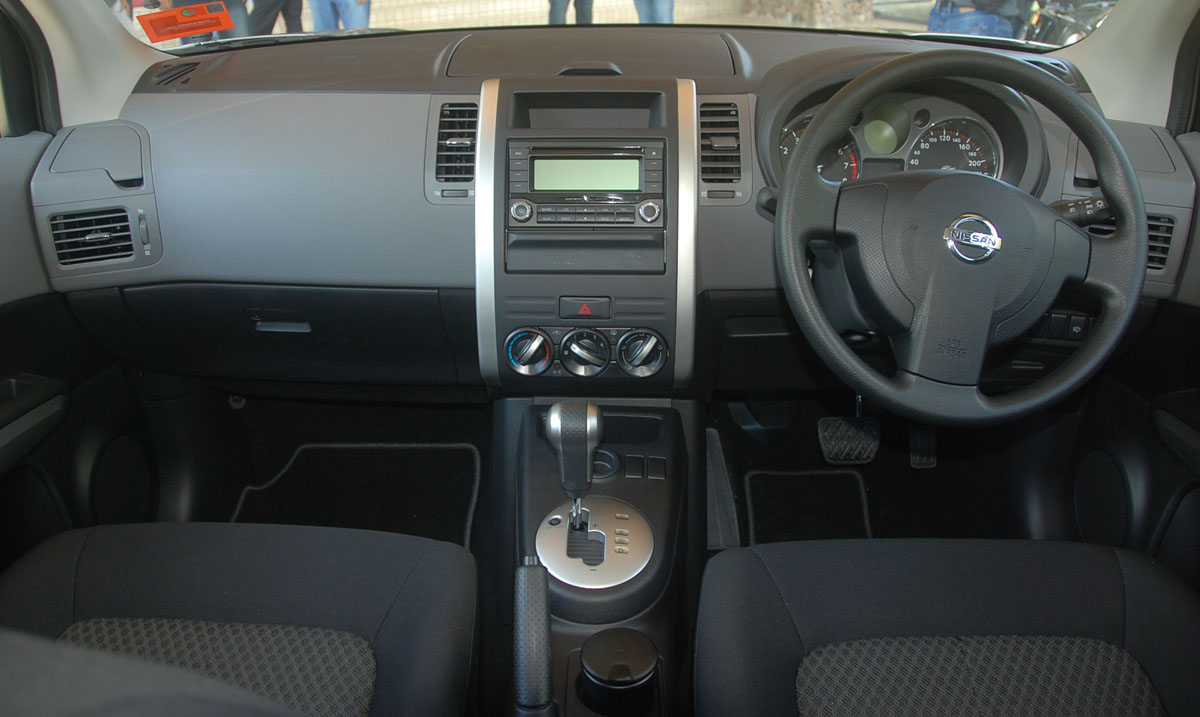
The air-con may be manual, and the steering has no buttons or leather wrap, but the X-Trail does come with features like rear air-con vents, powered front seats (6-way adjustable for driver, 4-way for passenger), keyless entry and start and bi-xenons with washer and auto levelling. Two cupholders up front and two behind have cooling functions. Safety kit includes 2 airbags, ABS, EBD, Brake Assist, pre-tensioner seatbelts and active head restraints. According to ETCM, this is the exact same spec that attained six stars in JNCAP crash tests.
On a separate note, ETCM has confirmed that the D-segment Teana, which has been spotted on our roads, will be launched at the “end of the year” in Malaysia. The Camry/Accord fighter will be locally assembled and priced competitively, unlike their previous CBU attempt at this model.
Friday, July 9, 2010
Proton Emas
hello to all. If you still don’t know Malaysia’s national car manufacture, Proton is currently developing their own concept car or maybe will go into production soon, here I tell you. The name of new Proton’s concept car is EMAS which stand for “Eco Mobility Advance Solution” and for the first time, it was shown at Geneva International Motor Show. Proton EMAS, it is a great name in my opinion.
This Proton EMAS concept car is the result of Proton collaboration with Lotus and Italdesign-Giugiaro, and as you can see from several pictures that I have shared below, only one word pop up in my mind “WOW!”. Something totally different from what Proton have produced before. I know some of you may say this is the result of foreign company, but well, knowing that this car is the result of collaboration of engineers from Proton and Lotus and designer from Italdesign-Giugiaro, I think as Malaysian, we should proud of this result. Well, I don’t know you, but me, I’m proud of it. 
Well, just enjoy the pictures and leave some of your comments, words, opinions or maybe constructive critics about this new Proton EMAS concept car. All the pictures below are credited to Paultan.org and respected photographers who photograph these pictures.


I’m just hoping Proton will do mass production for this car, even I know it is still “concept” which is most probably won’t be produced. However, if Proton decided to mass produce it, I would be proud to drive it. 
Thursday, March 4, 2010
Ferrari 599 HY-KERS features road-going KERS!
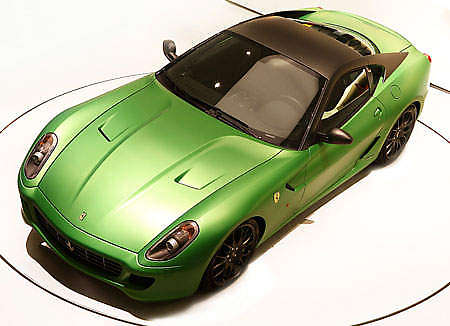
Didn’t anyone send Ferrari the memo that the colour for anything green and environmentally friendly is blue, and not green? It’s nevertheless a nice colour for the car, as with most bright colours on Ferraris. It’s matte green if you notice. This concept is called the HY-KERS. In Ferrari speak, a concept is a vettura laboratorio, which is Italian for experimental vehicle. It’s based on a 599 GTB Fiorano but has hybrid technologies in it.
Weighing about 40 kg, the compact, tri-phase, high-voltage electric motor of the HY-KERS is coupled to the rear of the dual-clutch 7-speed F1 transmission. It can produce over 100 horsepower. In town driving, the car can run on motor alone. The motor can also act as a generator for brake energy regeneration. All engine ancillary components are now electrically powered.
The batteries for the electric motor are located below the floorpan of the car in the underbody. As usual, this placement helps with the vehicle’s centre of gravity as it is positioned low and below the passenger cabin. The result is a centre of gravity that is even lower than the standard 599. Look after the jump for a short video presentation on the new 599 HY-KERS.Tuesday, November 10, 2009
REVIEWS: 2009 Honda Fit Sport - Four Seasons Update - November 2009


Thursday, October 29, 2009
2012 Lexus LFA - First Drive Review

There’s something slightly weird about this scene. We are about to drive the daunting 12.9-mile Nürburgring Nordschleife track in Germany. In a Lexus. Okay, it’s the exotic LFA, a Ferrari-fighting supercar that will cost about $350,000. But the company built its reputation on smooth, refined, and perfectly nerve-calming cars, so why does the LFA exist? In what parallel universe is this thing remotely Lexus-like?
Lexus claims multiple justifications for the LFA program. The car, it says, casts a halo over the Lexus F line of performance machines. It’s also a way for Toyota to explore new technologies, particularly carbon-fiber construction. And since Lexus says it will be selective about whom it will sell to—car collectors and high-profile individuals who use the car rather than park it—the LFA should raise the cachet of the brand as a whole.
For all that marketing happy-talk, the 2012 LFA is a serious outlier in the Lexus lineup and has had a convoluted gestation. The program started in 2000, and Lexus showed the first concept car at the Detroit auto show in 2005. Next, a convertible version appeared at Detroit in 2008, though it has since been canceled. In the interim, LFA prototypes were spotted testing at the Nordschleife, and further, two race-prepared cars entered the 24-hour race at the Nürburgring in 2008 and 2009. But until now, the company hasn’t said anything about production intent. Lexus is finally ready to admit that a mere 500 will be made, with production starting in December 2010.
Although the car is extravagantly expensive, Lexus says it will lose money on every one. We believe it. The last car that incorporated a similar level of technology, performance, and exclusivity was the $650,000 Ferrari Enzo. At $350,000, the LFA begins to look like something of a bargain. The LFA is an exotic, two-place, front-engine, rear-wheel-drive coupe. The chassis and body are made largely of carbon-fiber composite, just like those of an Enzo or a Mercedes SLR McLaren. Per Lexus’s scales, the car weighs 3263 pounds—less than a Corvette ZR1.
The engine is a 4.8-liter V-10 codeveloped with Yamaha. It’s a compact unit that makes 553 horsepower at 8700 rpm and revs to a giddy 9000 rpm. Maximum torque of 354 pound-feet peaks at 6800 rpm, with 90 percent available between 3700 and 9000 revs.
The rear-mounted, six-speed automated manual transaxle incorporates a Torsen limited-slip differential. Control arms comprise the front suspension, with a multilink arrangement at the back. To keep weight down, the suspension pieces and the remote-reservoir monotube KYB dampers are aluminum.
The Brembo carbon-ceramic brake setup consists of discs 15.4 inches in diameter and six-piston monoblock calipers up front, with 14.2-inch discs and four-piston calipers at the back. Forged aluminum 20-inch BBS wheels sit inside bespoke 265/35 front and 305/30 rear Bridgestone Potenza tires. There are four driving modes: automatic, normal, wet, and sport; the driver can also select manual shift speeds. In sport mode, the stability-control system allows for greater amounts of yaw, but the system can be switched off completely.
When it comes to the styling, there’s a definite Japanese aesthetic, what with all the sharp edges and matte-black vents. But it’s not a head turner like the Enzo or even a Lamborghini Gallardo. We definitely wouldn’t order one in matte black—one of 30 available colors—because it looks like someone forgot to paint it properly.
But there is function underpinning the somewhat sedate form. According to chief engineer Haruhiko Tanahashi, an advantage of using carbon fiber for the bodywork is that it’s possible to make very sharp edges and cutoffs that improve aerodynamic performance. The LFA has a reasonably low coefficient of drag (0.31), and Tanahashi says that the car produces more downforce than any of its competitors. Even the inside edges of the door mirrors are shaped to guide air into scoops over the rear fenders that feed the rear-mounted radiators. A large rear wing incorporating a Gurney flap pops up at speeds above 50 mph.
The interior is restrained but tasteful. The car we drove had a mixture of supple leather, carbon fiber, Alcantara, and “satin metal” adorning the cockpit. Lexus will offer seat coverings in 12 shades of leather or 10 alternate hues of Alcantara, with three color choices for the Alcantara headliner. “Roomy” describes the cabin, although luggage space is minimal. The supportive bucket seats have eight-way power adjustments, and the driving position is superb. The minor controls are as easy to find and use as in a standard Lexus sedan, and the LFA even has the same mouse-style operation for its multifunction center-console screen as in an RX350 sport-ute.
Sunday, October 4, 2009
1969 Lamborghini

1969 Lamborghini 400GT Coupe
1969 Lamborghini 400GT Coupe - Over 10,000 Remarkable Cars and Trucks at RemarkableCars.com
1969 Lamborghini 400GT Coupe
1969 Lamborghini 400GT Coupe
Final Bid: $ 254,100.00
Russo and Steele Auction Scottsdale 2008
Consignment # 7488
This is a 1969 Lamborghini 400GT 2+2 with only 20,700 original miles. The chassis number is 1327, which is towards the end of the production run. It is possibly the lowest mileage car in the world. Only 242 of these were made and even fewer survived. No expense spared in its restoration. Interior was left alone as original for it has a charming cognac dark tan interior in awesome condition. Newer paint, new Weber carb's, restored Borranis, and engine was rebuilt. It is in show quality condition!
Russo and Steele
5230 S. 39th Street
Phoenix, AZ. 85040
Phone: 602.252.2697
Fax: 602.252.6260
Website: www.RussoandSteele.com
1969 Lamborghini 400GT Coupe Additional Pictures


Sunday, August 30, 2009
Fiat 500

If the original Fiat 500 were still around it would be celebrating its 50th birthday. This twin-cylinder, puttering bubble of a car helped motorise postwar Italy, driving its way into the heart of the nation, and much of Europe too.
Alas, the last Fiat 500 rolled off the production line 22 years ago but, inspired by the success of other relaunched classics like the VW Beetle and the Mini, Fiat has revived it. The (re)launch party was in Fiat’s home city of Turin, accompanied by a fireworks display. Fiat has more to celebrate than the rebirth of its most famous product; the company is now in profit after three perilous years of loss that had its survival in doubt. A fast-renewing range – it is also about to release the Bravo hatchback – has turned its fortunes around.
This new Fiat 500 makes you pleased that the Italian company didn’t go the way of Rover. A glance at it has you smiling – this is an old friend in modern wrapping. You will be amused by the reappearance of the circular headlamps that created the earnest little face of its predecessor, and the Mona Lisa-like smile suggested by the chrome strip on its nose. There are retro references inside too, including a circular instrument pod and a body-coloured dashboard.
Though instantly identifiable as an interpretation of the original, the substance of this new 500 couldn’t be more different. The 1957 edition was rear-engined, its air-cooled twin cylinder hard pressed to push the Fiat far beyond 60mph. Today’s 500 is based on the Fiat Panda, its four-cylinder water-cooled engine driving the front wheels. This time you get a choice of engines, including a 69bhp 1.2 litre petrol, a 100bhp 1.4 litre twin-cam six-speed version of the same engine, and a 75bhp 1.3 litre turbodiesel.More impressive still is that this baby car, aided by seven airbags, scores the full five stars in the Euro NCAP occupant protection crash test. It has antilock brakes as standard and can be ordered with electronic antiskid control.
But enough of the serious stuff: this car is meant to be fun and in that spirit Fiat will offer it with myriad paint jobs, trim and accessory options. There are also 100 accessories to choose from including a fragrance diffuser, a navigation system, chromed door mirror capping, a ski rack and an additional front bumper bar just like the one worn by deluxe versions of the original 500.
None of it would matter much if this Fiat didn’t measure up, but the good news is that it is a thoroughly capable and hugely enjoyable car to drive. It is both refined and quiet: conversation is easy even at the 100mph maximum of the basic 1.2 tested, and the lack of wind, road or engine noise at speed makes long journeys – for two, at least – entirely palatable. There’s room for four but adults will feel confined, and they’d have to travel light because the boot is compact. However, for a city car, accommodation is fine.
Although the 1.2 is not the briskest thing its lower power and lower price are true to the spirit of the original, and the engine’s smoothness makes you more than happy to work the gearchange hard, just as old 500 owners did. They would have had to double-declutch to deal with the unsynchronised cogs, whereas the new box is light of movement, its lever capped with an amusingly oversized gobstopper of a knob.
As with many Fiats, the power steering has two settings, the lighter for town work, and it changes the 500’s direction with alacrity. That makes it a game partner on a twisty road. It’s not quite as sharp as a Mini, or Ford’s ageing but still excellent Ka, but it’s good enough to be fun. Better still is a surprisingly pliant ride, and a robust feel over rough roads, confirming the impression that this is a very well made little car.
Quality, claims Fiat, is of a higher order than Toyota achieves, and underpinning this claim is an extended warranty – admittedly optional – that will cover the car for five years and a staggering 300,000 miles. That alone is a sensible reason to buy. But we suspect that for most people the decision to purchase this excellent Fiat will be made with the heart, not the head.
Vital statistics
Model Fiat 500 1.2 8V Pop
Engine type 1242cc, four cylinders
Power/Torque 69bhp @ 5500rpm / 75 lb ft @ 3000rpm
Transmission Five-speed manual
Fuel/CO2 55.4mpg (combined cycle) / 119g/km
Performance 0-62mph 12.9sec / Top speed: 100mph
Price £9,300 est
Verdict Cute, well made, practical, charming and hard to resist
Rating 
Date of release January 2008
The opposition
Model Mini One £11,525
For Cute and cultish, finish, verve and economy
Against Pricey, poor space efficiency
Model Ford Sportka 1.6i SE £9,995
For Stylish, brilliant to drive, surprisingly practical
Against Old, low quality interior, soon to be replaced
Tuesday, August 18, 2009
Ferrari 458 Italia

Set to make its world debut at next month's Frankfurt motor show, the 458 Italia (that's "Italy" in English) is intended to pay tribute to the country in which it was born, according to Ferrari CEO Luca di Montezemolo. It is a land he describes as being synonymous with "excellence, creativity, and quality" -- all characteristics he believes his company's newest model embodies.
One look at its exterior and you'll get a gist of what di Montezemolo is talking about. The Pininfarina-penned design is executed in hand-laid aluminum and carbon-fiber panels underpinned by the latest in Ferrari's F1-derived aluminum chassis technology for weight minimization.
Up front and at the rear, improved aerodynamic features like a sealed undertray, diffuser, and what the brand calls "aeroelastic winglets" at its nose, all culminate to create a more stable, precise, and sleeker super sports car, according to Ferrari. At roughly 124 mph (200 km/h), the car produces 309 pounds of downforce, according to the automaker's engineers.
The 458 Italia looks ultramodern and much sleeker than its two immediate predecessors, the F360 and F430. Still, the car is a clear evolution on the same swoopy-fendered Pininfarina styling premise that began with the Dino 206GT of the late 1960s. There are plenty of Enzo cues too -- especially toward the rear clip -- and the long, slim headlamps appear to be directly inspired by the Enzo-based Pininfarina Ferrari P4/5. Offset above the headlights are vents crafted to cool the giant available carbon ceramic binders; Yes, there are plenty of new touches here too.
It's indeed a compact design compared with other exotics in the segment, but the 458 Italia grows ever slightly in length (178.2 inches. versus 177.6) and width (76.3 inches versus 75.7) compared with the outgoing F430. Height remains at a short 47.8 inches. Its wheelbase is extended by nearly two inches (104.3 inches from 102.4) and its dry weight is upped to 3042 pounds with forged wheels and carbon-fiber racing seats onboard (expect a curb weight of at least 3250 pounds) compared with the 430's 2974. As the tenet goes, muscle weighs more than fat, and per Ferrari's specs, the 458 Italia has been a definitive body-builder during the R&D process.
Set low in the mid-gut of this Prancing Horse is a more muscular direct-injected 4.5L V-8 producing 562 horsepower at a screaming 9000 rpm and an associated 398 pound-feet of torque at 6000 revs. Engineers improved upon the 430's 4.3-liter unit by incorporating a racing-like low piston compression height combined with the usual flat-plane crankshaft.
In total, it's a substantial 79-horse and 55-pound-foot improvement over the F430 (483/343) and impressively, the motor drinks less fuel to the tune of 17 mpg U.S. (converted from EU combined cycle) and emits less harmful gases from its tri-tipped exhaust (320 g/km of CO2 versus 345 g/km). Its longitudinal positioning also helps greatly in achieving a 42-percent front/58-percent rear weight distribution, which should prove ideal for the mid-engine car.
Friday, August 14, 2009
Toyota Supra (93-96)
The Toyota Supra is an amazing twin-turbo supercar that not only looks like a sci-fi space vehicle, it goes like one, too. The huge rear spoiler looks like it should improve rear traction and grip at high speed, and the ride is very firm. Supras are rare and very expensive to run, but the engine performance alone more than justifies the running costs. So, if you're after a stylish sportscar that goes like lightning, you could do much worse than joining the exclusive Supra club. Official UK cars were only available between 1993 and 1996, so anything registered outside of these date will definitely be a private 'grey' import.
Performance
With Ferrari-beating acceleration, the Supra boasts a top speed and delivery that is unbelievably effortless. The engine purrs innocently, providing no real clue to the potentially mammoth power that it possesses. Although the gearchange is heavy and notchy, the six-speed manual three-litre twin turbo has an top speed limited to 155mph, accelerates from 0-60 in under five seconds and feels like it will keep pulling relentlessly.
Handling
The Supra handles surprisingly well for a big car, with generally good traction – helped massively by the vehicle’s weight and large rear wing - though the back end can twitch through twisty bends. The agile and sophisticated chassis design ensures that the ride is comfortably smooth, plus the steering feedback is fantastic, giving you a real feel of the car’s capabilities.
Comfort
The air-conditioned cabin is snug enough for two, but passengers in the rear may find it a bit of a squeeze, due to the shallow sloping rear window and shelf-like seats. The leather-upholstered seating is very soft and gives great support, while the nice fascia encompasses a wealth of nifty gadgets and gizmos. The sporty suspension is a touch too firm however, causing the ride to be a little uncompromising over long distances.
Practicallity
The three-door design makes rear access a little awkward, although the Supra’s back seats aren't best suited to frequent family use anyway. There is a reasonable level of boot space and it is sufficiently large enough to easily accommodate the weekly shop or holiday luggage. The Supra is simply too powerful for mundane, inner city driving - behaving like a bull in a china shop if faced with urban congestion – so keep it to the A- and B-roads to maximise its performance capabilities.
Equipment
The twin-turbo Supra from 1993 has rear-wheel drive, a limited-slip differential, independent suspension, and traction control. Six-speed manual transmission is standard, and four-speed automatic transmission was optional. Equipment includes a large body-coloured rear spoiler, circular rear lights behind flush lens, front spoiler with large front air intakes, five-spoke alloy wheels, cruise control, electric driver’s seat adjustment, heated front seats, leather upholstery, leather-rimmed steering wheel. A high-level brake light and CD autochanger were added in October 1994
Behid The Wheel.
The driving position is reasonably good, though there are a few blind spots that could make overtaking and reversing a little awkward, caused by the thick rear window columns and obstructive bulky spoiler. Everything within the driver’s grasp is clearly arranged, while the leather rimmed steering wheel and electrically adjustable driver’s seat give a great sense of sporty style.
Safety
Reassuringly, all models come with power steering and ABS as standard, as well as twin airbags and traction control. The remote alarm and central locking system seems to be up to the task of deterring thieves, but fitting a tracker advice might keep the insurers somewhat happier, as these cars tend to attract a lot of attention.
Reability
apanese manufacturers tend to epitomise the term 'dependability' and Toyota are no exception to the rule. Superbly engineered, the Supra is generally very reliable if properly maintained. Specialist or main dealer servicing is essential for reliability and to retain value and saleability, as there's an awful lot of specialist and highly stressed machinery involved that should have been well looked after.

Car check problem points
Body: Watch out for crash repairs.
Engine/Gearbox: There's an awful lot of specialist and highly stressed machinery involved, so full Toyota service history is essential.
Other: General abuse and neglect.
Sunday, August 9, 2009
2009 Ferrari 599XX Reviews
2009 Ferrari 599XX
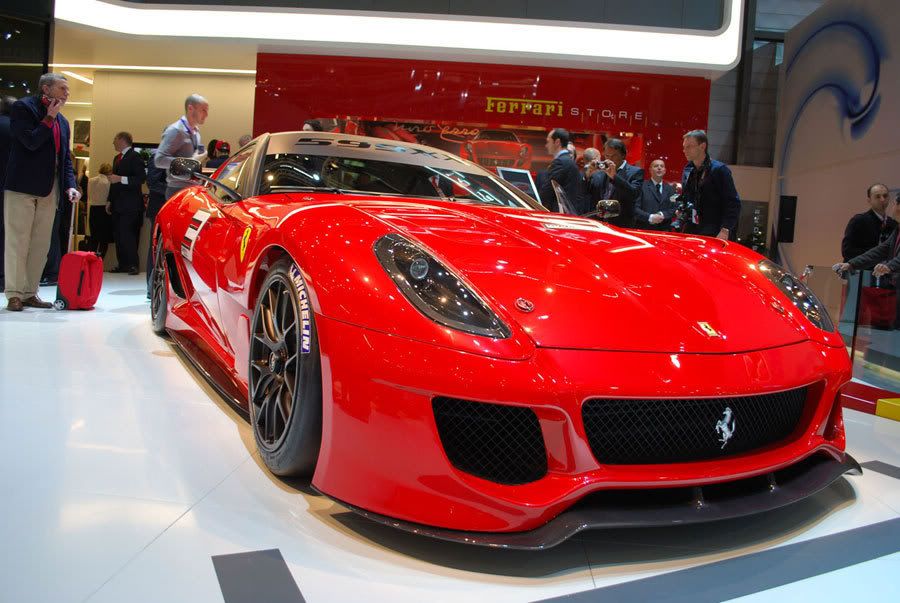
This outstanding car has the same transaxle layout and engine type which is based on the 599 GTB Fiorano, this prototype is an ultimate track car, the 2009 Ferrari 599XX. The 599XX is powered by a 700 horsepower at around 9,000 RPM redline and a faster shifting F1 gearbox. Characterized by a an innovative concept called the "High Performance Dynamic Concept", designed for a maximum performance.
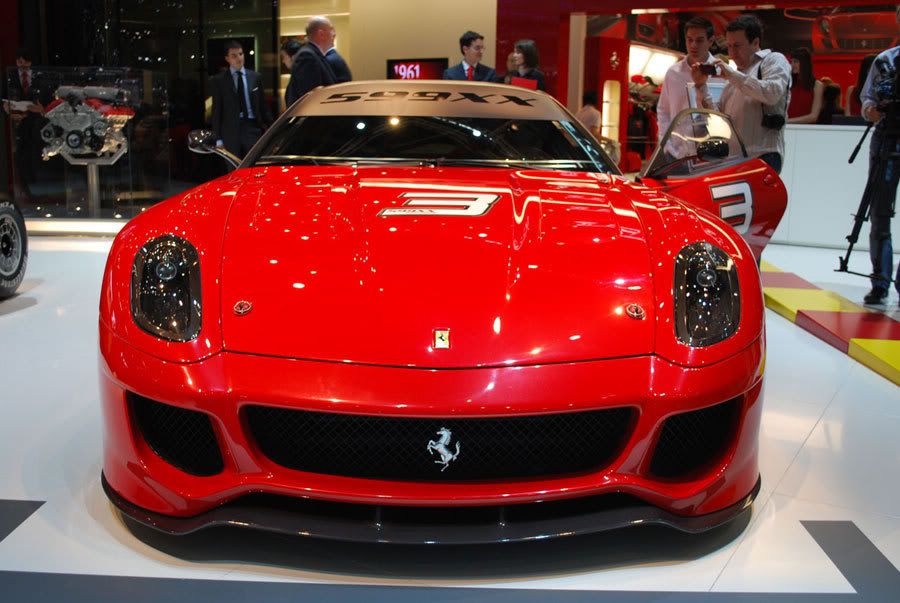
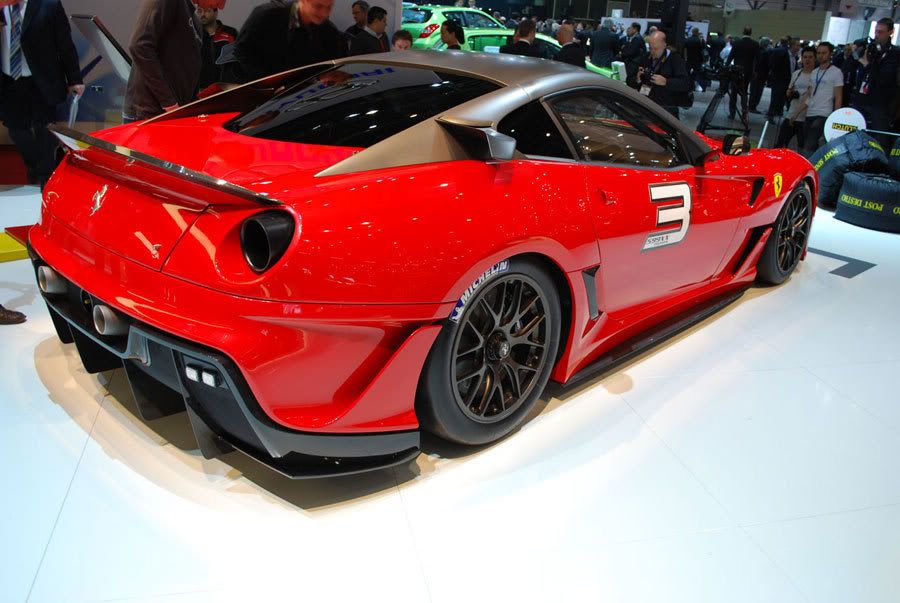
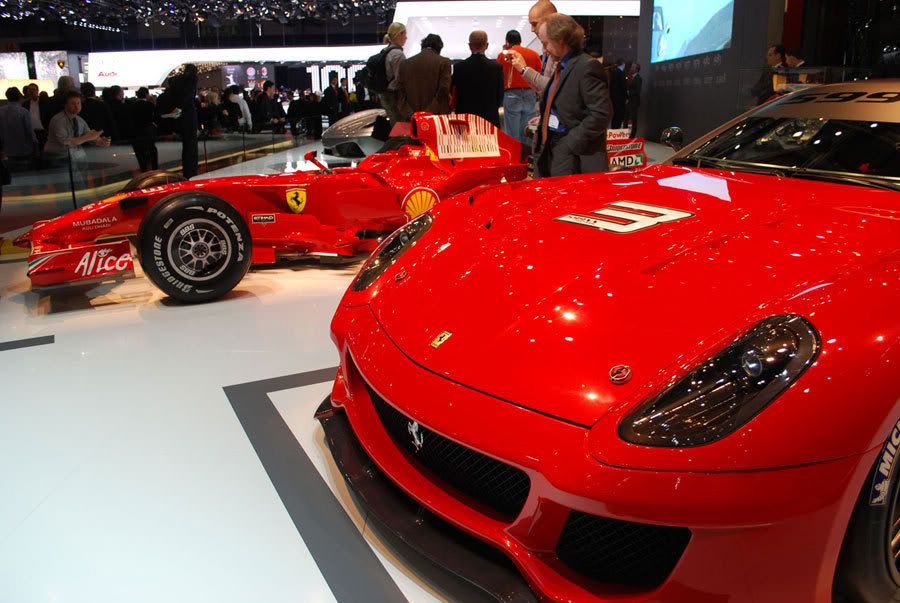

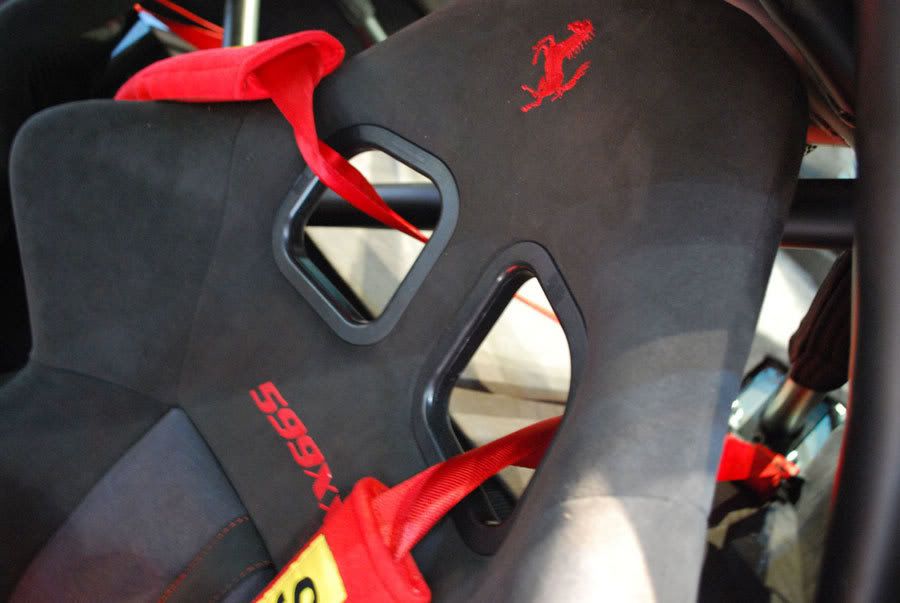
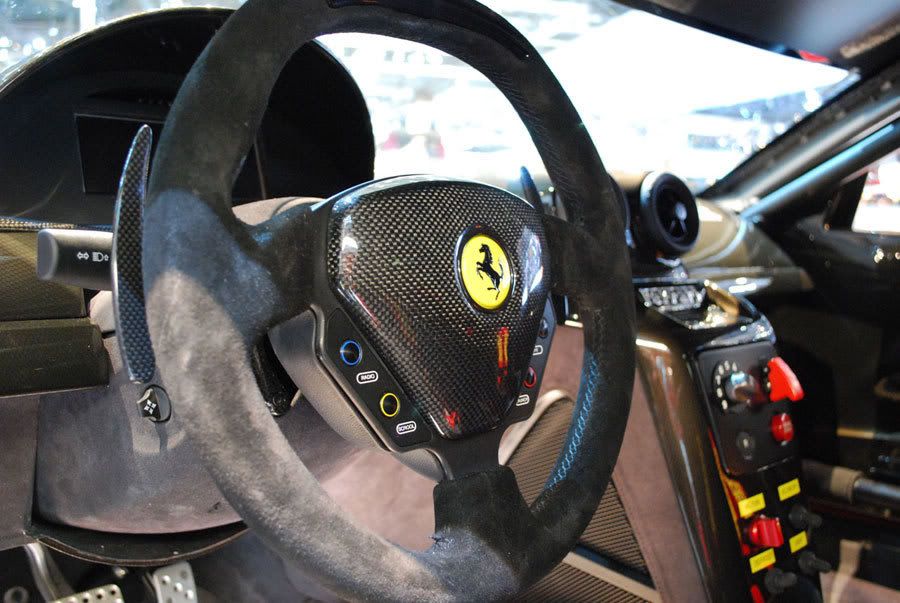
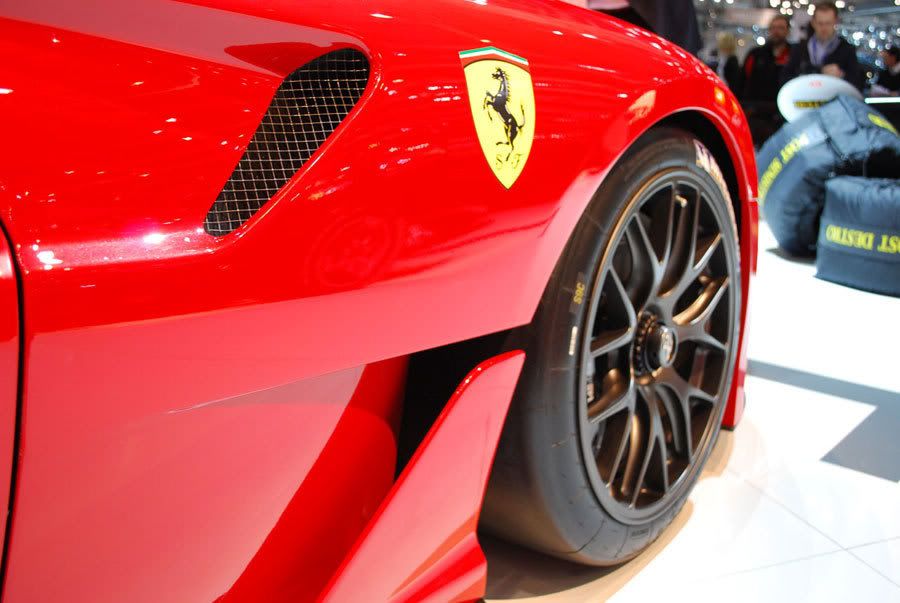
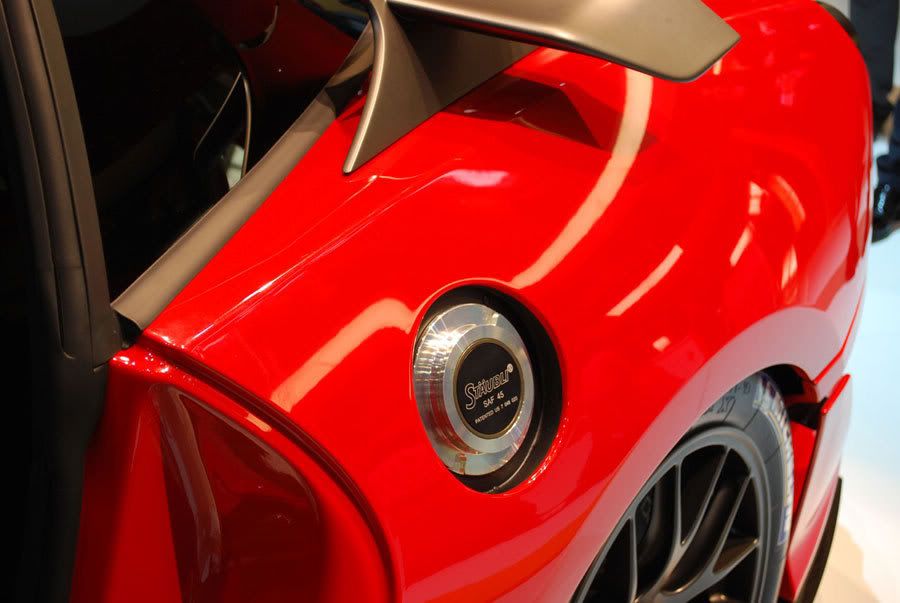

Improved aerodynamics of the 2009 Ferrari 599XX results for a faster Ferrari around the track. The car boasts 280kg of downforce at 200 km per hour (around 630kg at 300 km per hour).
The price for the 2009 Ferrari 599XX is not yet specified at this time.
Tuesday, August 4, 2009
The New Perodua MPV Coming ahead with Pictures and Based Model

The Perusahaan Otomobil Kedua Sdn Bhd (Perodua) has releasing the statement of publishing the new MPV model after the launching of Perodua Nautica on 9 May 2008. The Manager, Datuk Hafiz states that the new car will be MPV or SUV family but since they’d launched Perodua Natica, MPV will exactly be the following upcoming model and will be releasing this year of 2009.

It is uncovered that Perodua MPV will be using the established of Toyota Passo Sette, which means Passo Seven, or a 7-seater version of the Toyota Passo in Italian. The Daihatsu version is called the Daihatsu Boon Luminas, the combination of the words convenient and luminous.

Both are powered by the 1.5 liter 3SZ-VE engine, 109 PS at 6,000rpm and 141Nm of torque at 4,400rpm with front wheel drive and 4WD variants of 4 speed auto. The front wheel drive rated at 15.6km per liter.nToyota Passo Sette measures 4,180mm long, 1,695mm wide and 1,620mm tall, with a long 2,750mm wheelbase to get utmost interior space of 2,550mm long, with 5.2m working radius.

Sunday, August 2, 2009
2009 Chevrolet Traverse

It is exactly what you’ve been wishing for – a vehicle that is as is captivating as it is accommodating. With a bold design complemented by impressive functionality and generous capacity. Introducing the crossover vehicle you really want – the 2009 Chevrolet Traverse. With seating for eight across three rows, plus a class-leading maximum cargo area. † And peace of mind enhanced by the highest possible U.S. government frontal and side-impact crash test ratings – five stars.** Powered by a technologically advanced 3.6L V6 engine that delivers inspiring performance and enviable fuel efficiency. With world-class quality and Chevrolet’s proven dependability. The very beautiful, yet exceptionally practical 2009 Chevrolet Traverse.

Make Some Room On The Mantle
Chevrolet Traverse has just won a Consumers Digest Best Buy Award and has also been named one of 2009's Best New Family Vehicles by Kelley Blue Book's® kbb.com - edging out the field with its outstanding value, excellent fuel efficiency and best-in-class cargo space.

Traverse To The Top
The Chevrolet Traverse has been named one of 2009's Best New Family Vehicles by Kelley Blue Book's® kbb.com. Edging out the field with its low starting price, excellent fuel efficiency and best-in-class cargo space. Your lifestyle, your vehicle - made affordable.

Beautiful Design – Precise Execution
The sculpted lines create a potent presence, further enhanced by such striking details as the standard jewel-like dual halogen projector headlights and the 20” ultra-bright aluminum wheels on LTZ. A closer look reveals tight-fitting body panels that uphold world-class quality standards.

Prevent And Protect
Traverse’s comprehensive safety package includes features that help prevent an incident, such as the standard StabiliTrak™ electronic stability control system and the available Rear-view Camera System. Should a collision prove unavoidable, Traverse is equipped with six standard air bags and OnStar ®.

Room For Eight – And Their Stuff
Traverse offers standard seating for eight – friends, family or car-pooling colleagues. As for their stuff, there’s a class-leading cargo space behind the third-row seat and a class-leading maximum cargo space of 3297 L (116.4 cu. ft.). † And the Smart Slide™ second-row seat makes it easier to get into the third row, or to maximize the cargo area.

Puts You In The Hot – Or Cold – Seat
It isn’t only the cabin’s style that’s unique – it’s also the refinement. That’s particularly true of Traverse LTZ, which features the only heated and cooled front seats in its class, †† top-stitched perforated leather-appointed first and second-row seating and automatic tri-zone climate controls.

No Need To Choose Between Power And Efficiency
The technologically advanced 3.6L V6 engine generates impressive power with remarkable fuel efficency, thanks to Spark Ignition Direct Injection (SIDI) and Variable Valve Timing (VVT). Output is 281 horsepower on LS and LT models – and a class-leading 288 standard horsepower on LTZ .†† The standard six-speed automatic transmission further enhances fuel efficiency.

