

Set to make its world debut at next month's Frankfurt motor show, the 458 Italia (that's "Italy" in English) is intended to pay tribute to the country in which it was born, according to Ferrari CEO Luca di Montezemolo. It is a land he describes as being synonymous with "excellence, creativity, and quality" -- all characteristics he believes his company's newest model embodies.
One look at its exterior and you'll get a gist of what di Montezemolo is talking about. The Pininfarina-penned design is executed in hand-laid aluminum and carbon-fiber panels underpinned by the latest in Ferrari's F1-derived aluminum chassis technology for weight minimization.
Up front and at the rear, improved aerodynamic features like a sealed undertray, diffuser, and what the brand calls "aeroelastic winglets" at its nose, all culminate to create a more stable, precise, and sleeker super sports car, according to Ferrari. At roughly 124 mph (200 km/h), the car produces 309 pounds of downforce, according to the automaker's engineers.
The 458 Italia looks ultramodern and much sleeker than its two immediate predecessors, the F360 and F430. Still, the car is a clear evolution on the same swoopy-fendered Pininfarina styling premise that began with the Dino 206GT of the late 1960s. There are plenty of Enzo cues too -- especially toward the rear clip -- and the long, slim headlamps appear to be directly inspired by the Enzo-based Pininfarina Ferrari P4/5. Offset above the headlights are vents crafted to cool the giant available carbon ceramic binders; Yes, there are plenty of new touches here too.
It's indeed a compact design compared with other exotics in the segment, but the 458 Italia grows ever slightly in length (178.2 inches. versus 177.6) and width (76.3 inches versus 75.7) compared with the outgoing F430. Height remains at a short 47.8 inches. Its wheelbase is extended by nearly two inches (104.3 inches from 102.4) and its dry weight is upped to 3042 pounds with forged wheels and carbon-fiber racing seats onboard (expect a curb weight of at least 3250 pounds) compared with the 430's 2974. As the tenet goes, muscle weighs more than fat, and per Ferrari's specs, the 458 Italia has been a definitive body-builder during the R&D process.
Set low in the mid-gut of this Prancing Horse is a more muscular direct-injected 4.5L V-8 producing 562 horsepower at a screaming 9000 rpm and an associated 398 pound-feet of torque at 6000 revs. Engineers improved upon the 430's 4.3-liter unit by incorporating a racing-like low piston compression height combined with the usual flat-plane crankshaft.
In total, it's a substantial 79-horse and 55-pound-foot improvement over the F430 (483/343) and impressively, the motor drinks less fuel to the tune of 17 mpg U.S. (converted from EU combined cycle) and emits less harmful gases from its tri-tipped exhaust (320 g/km of CO2 versus 345 g/km). Its longitudinal positioning also helps greatly in achieving a 42-percent front/58-percent rear weight distribution, which should prove ideal for the mid-engine car.
Tuesday, August 18, 2009
Ferrari 458 Italia

Friday, August 14, 2009
Toyota Supra (93-96)
The Toyota Supra is an amazing twin-turbo supercar that not only looks like a sci-fi space vehicle, it goes like one, too. The huge rear spoiler looks like it should improve rear traction and grip at high speed, and the ride is very firm. Supras are rare and very expensive to run, but the engine performance alone more than justifies the running costs. So, if you're after a stylish sportscar that goes like lightning, you could do much worse than joining the exclusive Supra club. Official UK cars were only available between 1993 and 1996, so anything registered outside of these date will definitely be a private 'grey' import.
Performance
With Ferrari-beating acceleration, the Supra boasts a top speed and delivery that is unbelievably effortless. The engine purrs innocently, providing no real clue to the potentially mammoth power that it possesses. Although the gearchange is heavy and notchy, the six-speed manual three-litre twin turbo has an top speed limited to 155mph, accelerates from 0-60 in under five seconds and feels like it will keep pulling relentlessly.
Handling
The Supra handles surprisingly well for a big car, with generally good traction – helped massively by the vehicle’s weight and large rear wing - though the back end can twitch through twisty bends. The agile and sophisticated chassis design ensures that the ride is comfortably smooth, plus the steering feedback is fantastic, giving you a real feel of the car’s capabilities.
Comfort
The air-conditioned cabin is snug enough for two, but passengers in the rear may find it a bit of a squeeze, due to the shallow sloping rear window and shelf-like seats. The leather-upholstered seating is very soft and gives great support, while the nice fascia encompasses a wealth of nifty gadgets and gizmos. The sporty suspension is a touch too firm however, causing the ride to be a little uncompromising over long distances.
Practicallity
The three-door design makes rear access a little awkward, although the Supra’s back seats aren't best suited to frequent family use anyway. There is a reasonable level of boot space and it is sufficiently large enough to easily accommodate the weekly shop or holiday luggage. The Supra is simply too powerful for mundane, inner city driving - behaving like a bull in a china shop if faced with urban congestion – so keep it to the A- and B-roads to maximise its performance capabilities.
Equipment
The twin-turbo Supra from 1993 has rear-wheel drive, a limited-slip differential, independent suspension, and traction control. Six-speed manual transmission is standard, and four-speed automatic transmission was optional. Equipment includes a large body-coloured rear spoiler, circular rear lights behind flush lens, front spoiler with large front air intakes, five-spoke alloy wheels, cruise control, electric driver’s seat adjustment, heated front seats, leather upholstery, leather-rimmed steering wheel. A high-level brake light and CD autochanger were added in October 1994
Behid The Wheel.
The driving position is reasonably good, though there are a few blind spots that could make overtaking and reversing a little awkward, caused by the thick rear window columns and obstructive bulky spoiler. Everything within the driver’s grasp is clearly arranged, while the leather rimmed steering wheel and electrically adjustable driver’s seat give a great sense of sporty style.
Safety
Reassuringly, all models come with power steering and ABS as standard, as well as twin airbags and traction control. The remote alarm and central locking system seems to be up to the task of deterring thieves, but fitting a tracker advice might keep the insurers somewhat happier, as these cars tend to attract a lot of attention.
Reability
apanese manufacturers tend to epitomise the term 'dependability' and Toyota are no exception to the rule. Superbly engineered, the Supra is generally very reliable if properly maintained. Specialist or main dealer servicing is essential for reliability and to retain value and saleability, as there's an awful lot of specialist and highly stressed machinery involved that should have been well looked after.

Car check problem points
Body: Watch out for crash repairs.
Engine/Gearbox: There's an awful lot of specialist and highly stressed machinery involved, so full Toyota service history is essential.
Other: General abuse and neglect.
Sunday, August 9, 2009
2009 Ferrari 599XX Reviews
2009 Ferrari 599XX
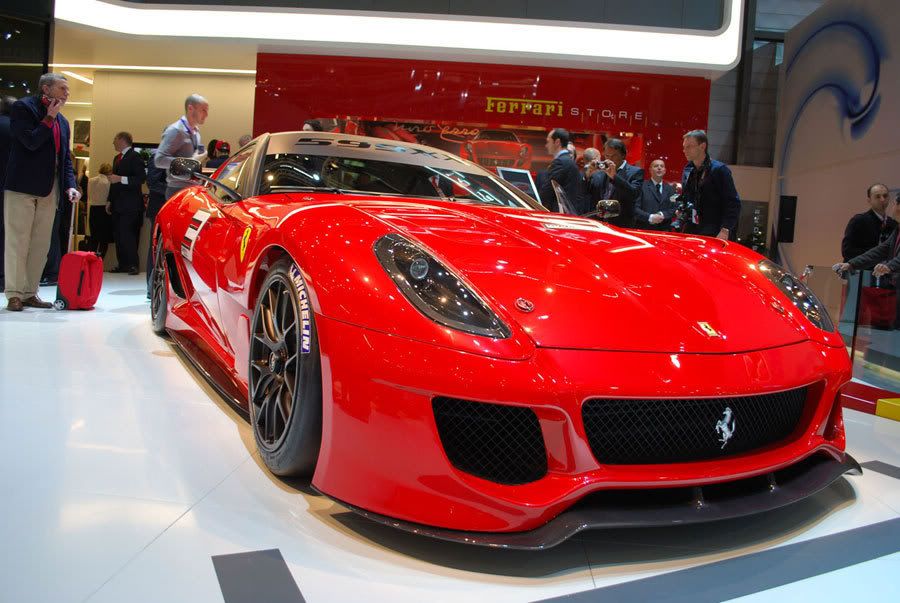
This outstanding car has the same transaxle layout and engine type which is based on the 599 GTB Fiorano, this prototype is an ultimate track car, the 2009 Ferrari 599XX. The 599XX is powered by a 700 horsepower at around 9,000 RPM redline and a faster shifting F1 gearbox. Characterized by a an innovative concept called the "High Performance Dynamic Concept", designed for a maximum performance.
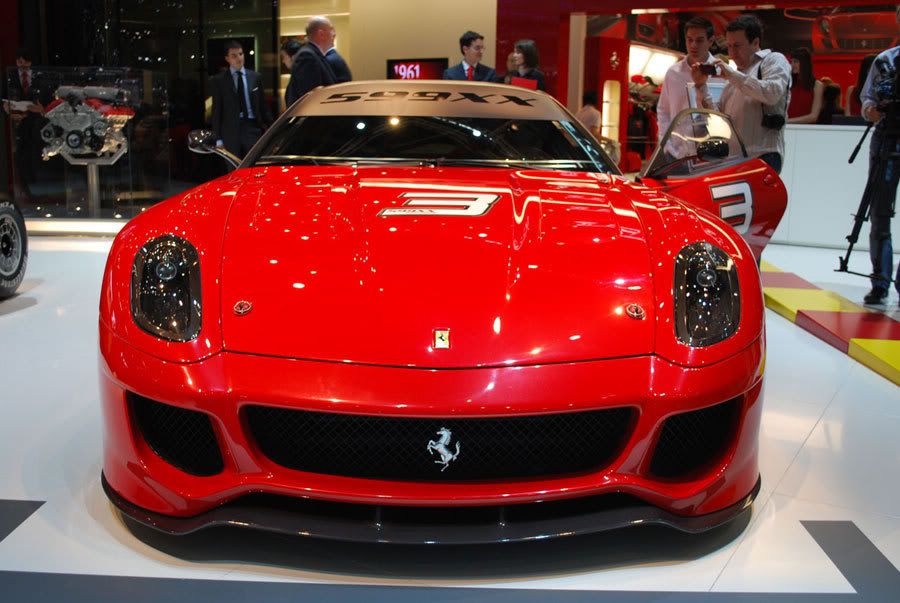
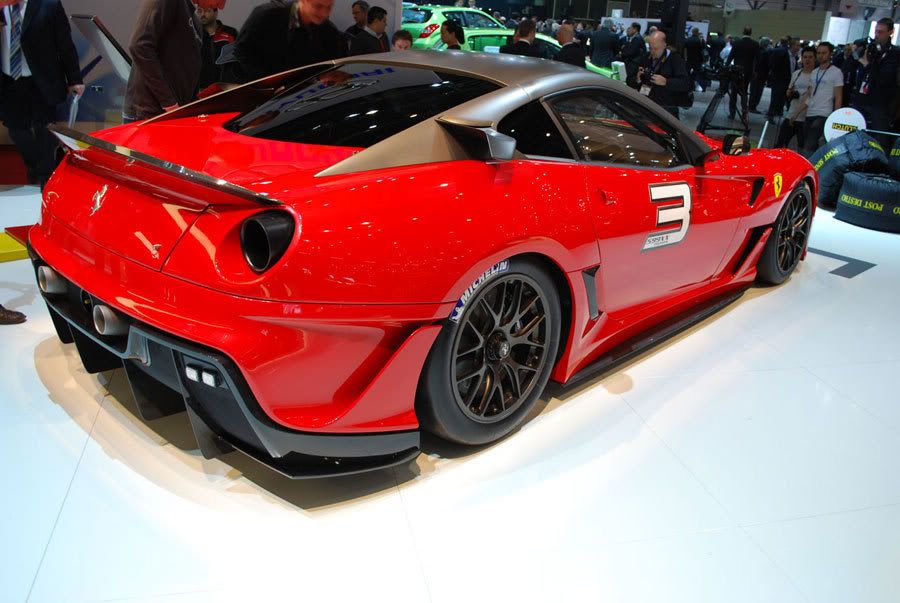
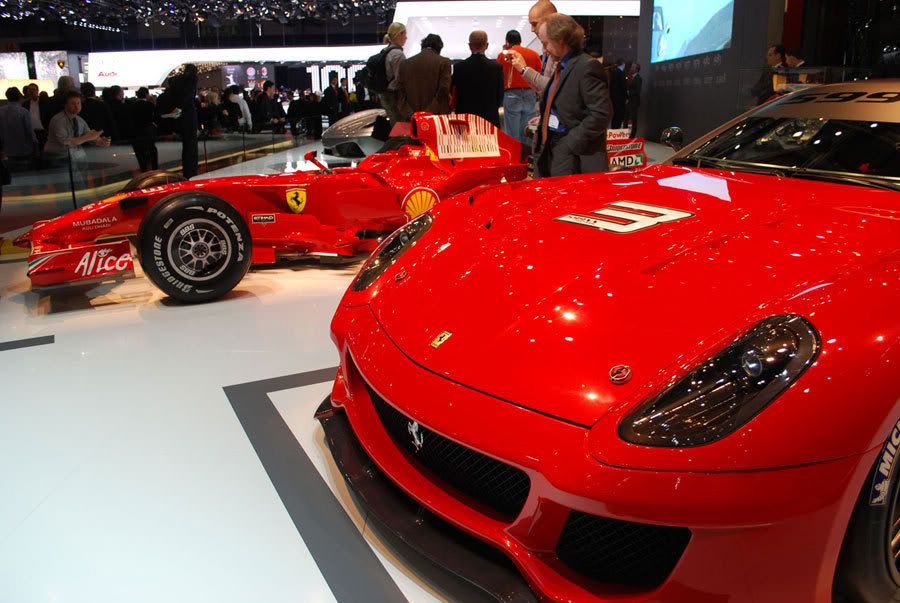

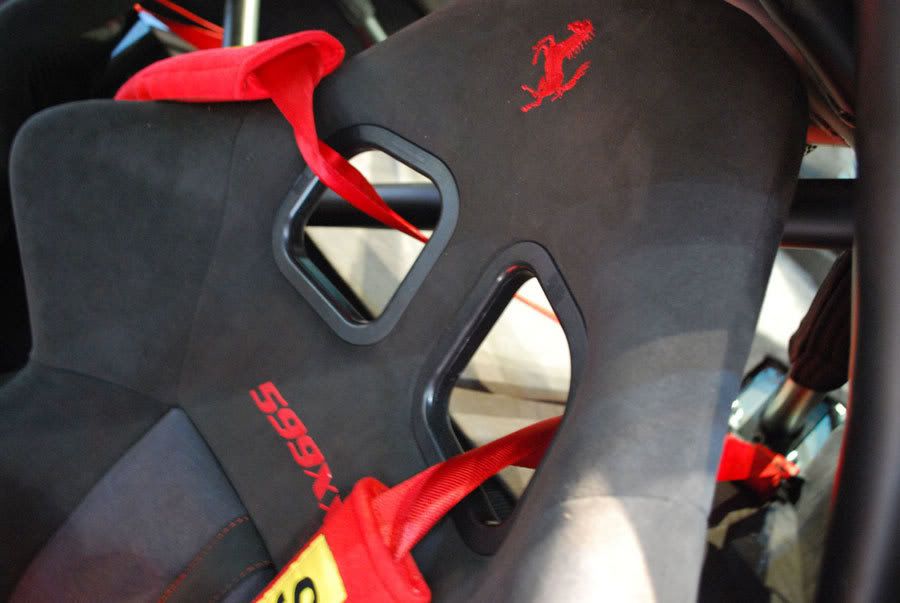
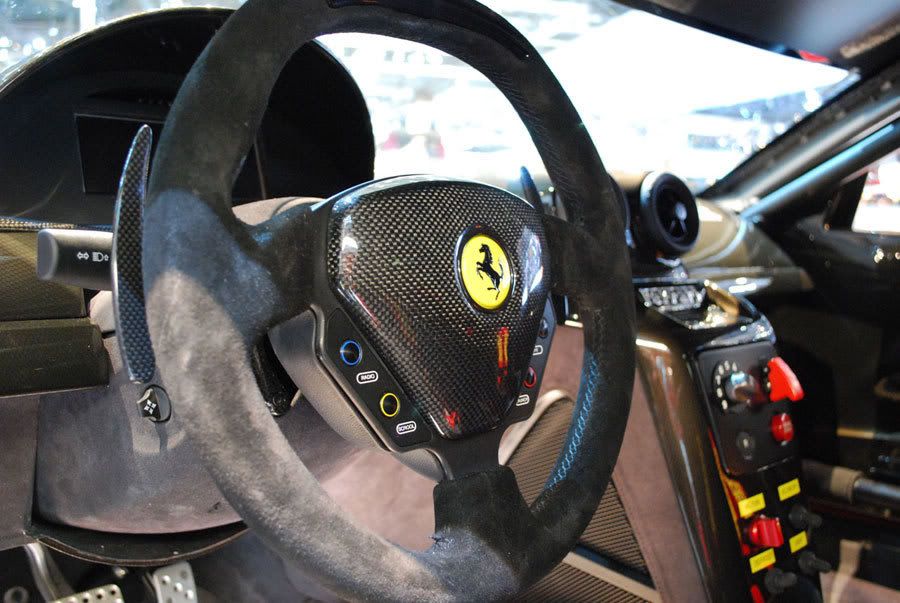
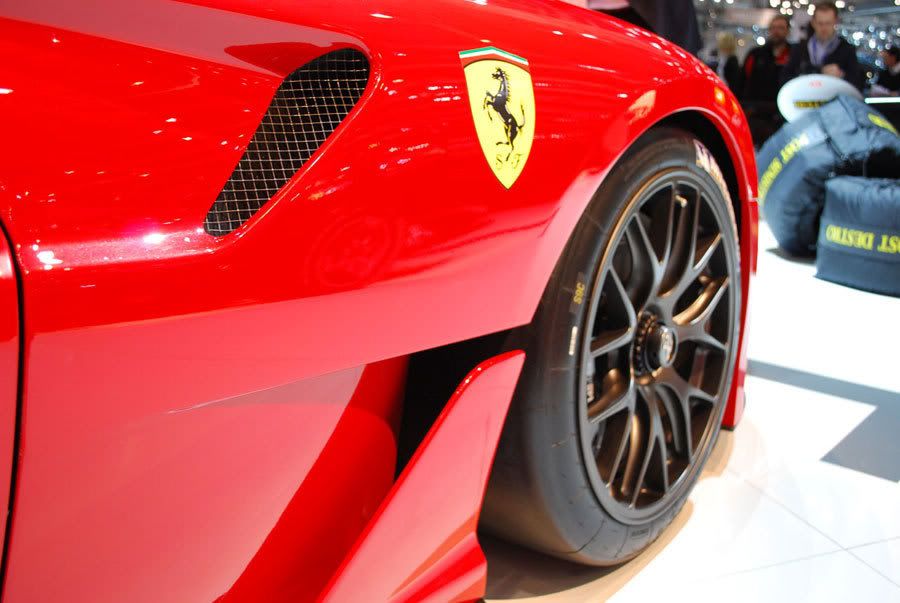
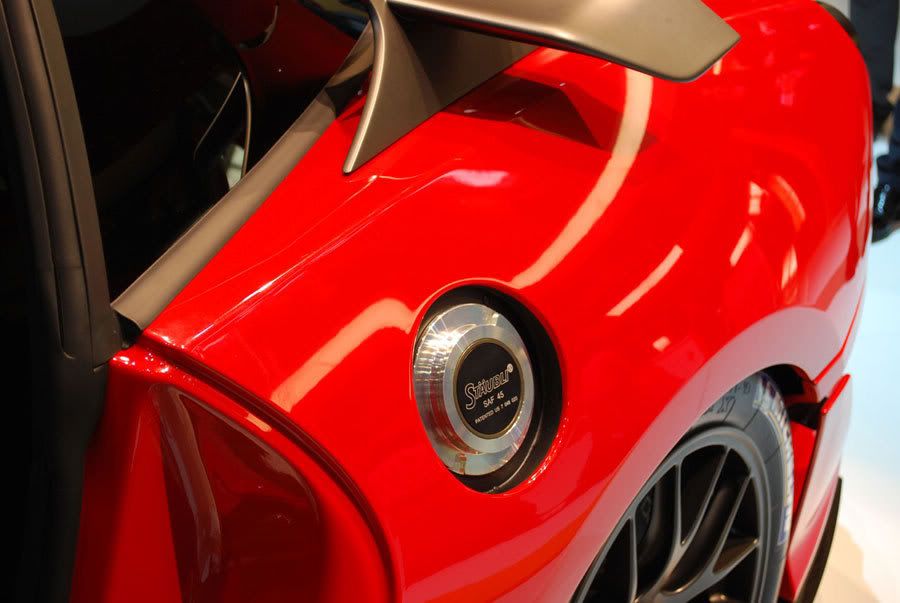

Improved aerodynamics of the 2009 Ferrari 599XX results for a faster Ferrari around the track. The car boasts 280kg of downforce at 200 km per hour (around 630kg at 300 km per hour).
The price for the 2009 Ferrari 599XX is not yet specified at this time.

